BPC-157
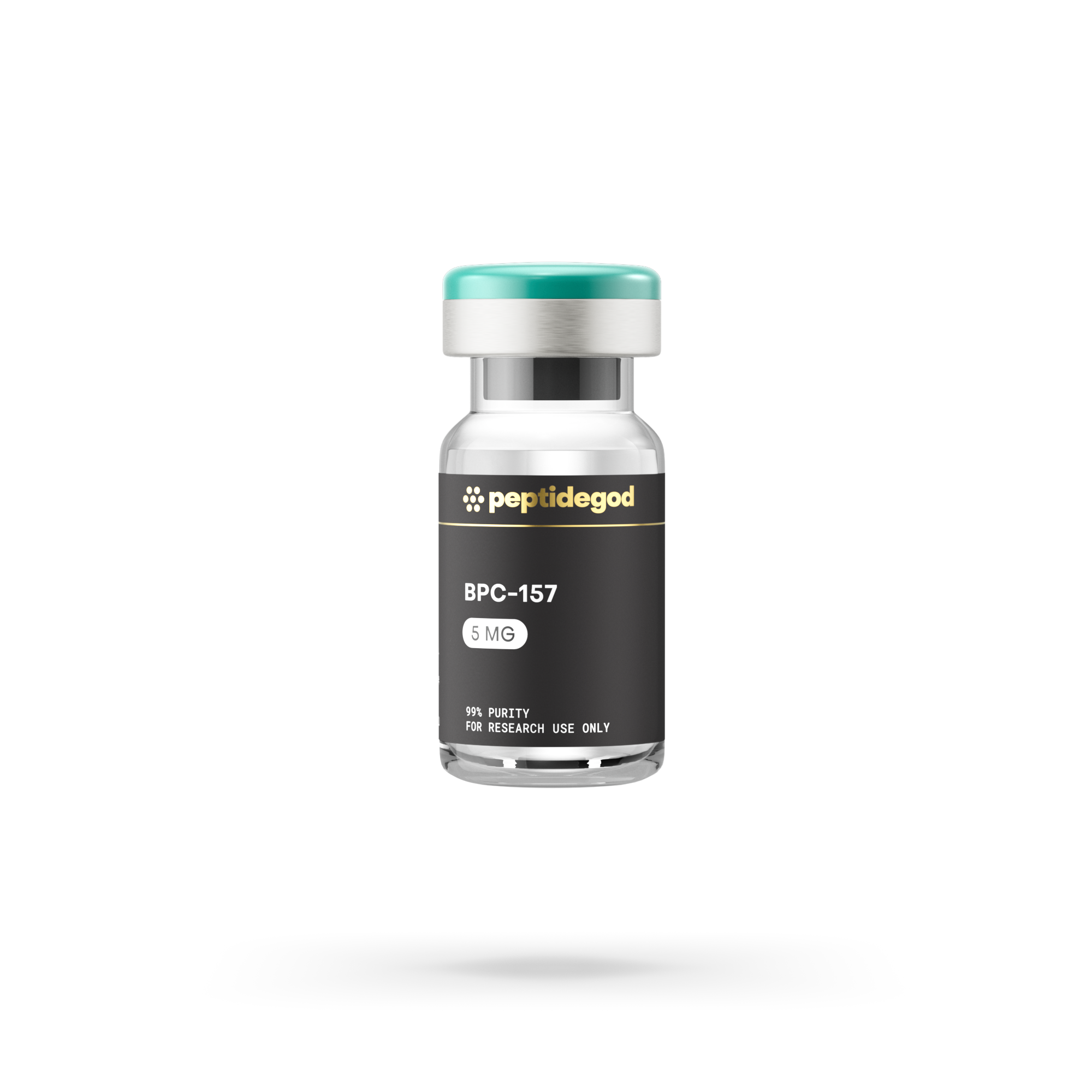
BPC-157 lyophilized powder from Peptide God at $34.95 per vial.
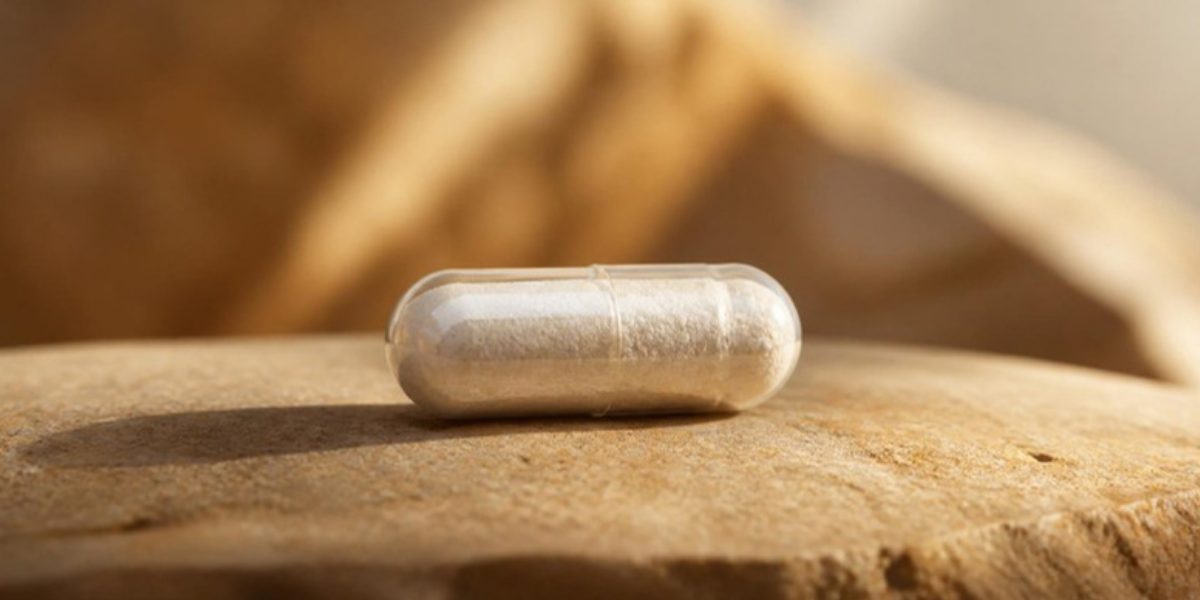
BPC-157 capsules and oral forms compared. We review the capsule products available, their pricing and what the research says about oral peptide delivery.

BPC-157 lyophilized powder from Peptide God at $34.95 per vial.
We look for a batch-level certificate of analysis published by the merchant.
Purity percentage and milligrams per vial as stated on the product page.
Clear research-use labeling, lot numbers and storage instructions.
Vials compared on price per milligram, not on sticker price.

BPC-157 lyophilized powder from Peptide God at $34.95 per vial.

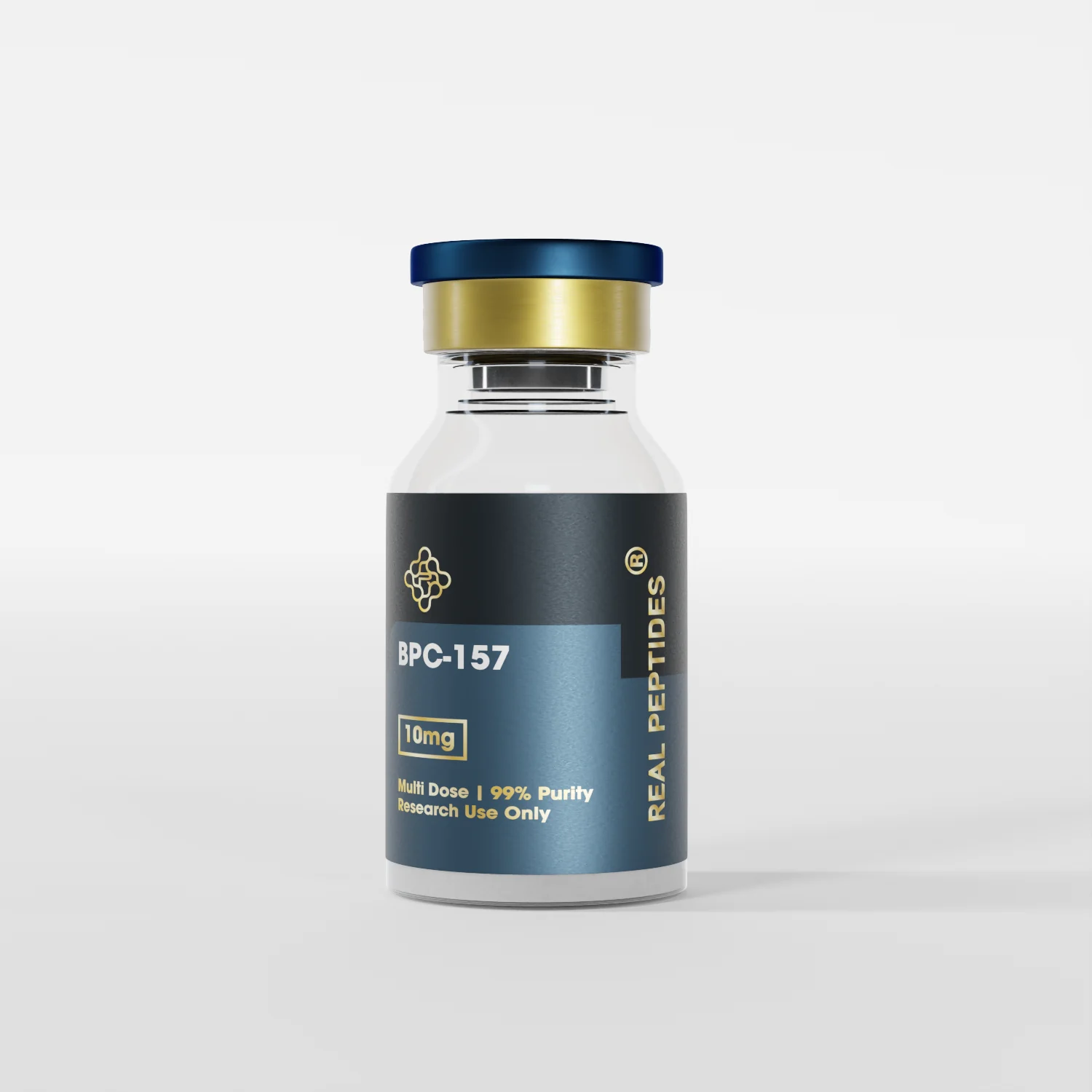
10mg BPC-157 vial at 99%+ purity (HPLC verified) with published COA, $43.20.
| Product | Price | Brand | Availability | Form | Price |
|---|---|---|---|---|---|
| Peptide God BPC-157 | $34.95 | Peptide God | In stock | Vial | $34.95 |
| Real Peptides BPC-157 Peptide 10mg | $43.20 | - | - | - | $43.20 |
Consumers interested in oral delivery with neither reconstitution nor refrigeration will find BPC-157 capsules interesting. The current amount of research published on the oral form of BPC-157 is limited yet presents interesting findings. Indeed, unlike other peptides, BPC-157 has shown stability in acidic conditions such as gastric acid longer than 24 hours. At the moment, neither vendor from our analysis has capsule forms for sale, which is why we discuss the research behind oral forms and provide some pointers to keep in mind if you discover capsules on the market.
Bacteriostatic water, and a syringe, along with refrigerated storage, are necessary for lyophilized vials after they have been reconstituted. With capsules, none of these steps are necessary. For purchasers who are unsure about reconstitution processes, capsules mean there’s nothing to do. The tradeoff is less control over the precise dose, and fewer published studies use this route of administration.
Peptide God and Real Peptides are the two vendors compared in this review and they are both offering BPC-157 only in the form of lyophilized vials. There are capsule products available from other manufacturers but that would not be the topic of the current review. The table shown below contains the details of the products covered in the vial format.
| Product | Brand | Form | Price | Amount | COA Shown |
|---|---|---|---|---|---|
| BPC-157 | Peptide God | Lyophilized vial | $34.95 | Not stated | No |
| BPC-157 Peptide 10mg | Real Peptides | Lyophilized vial | $43.20 | 10mg | Yes |
A 2022 pharmacokinetic study in rats and dogs measured BPC-157 bioavailability after intramuscular injection at 18-19% in rats and 45-51% in dogs. No oral bioavailability data was published in that study. A 2025 formulation review noted that BPC-157's acid stability is necessary but not sufficient for oral absorption, and that no human pharmacokinetic data exists for any route.
Without capsule products considered in the vendor comparison, it is not feasible to directly compare the costs of products per mg of active ingredient based on our data. Capsule products from other brands generally contain less peptide per dose than lyophilized vials and charge more per milligram, but we cannot provide specific figures for products we did not examine.
BPC-157 itself can resist the effects of stomach acid. While it does not need to be specifically encapsulated with a coating that protects against acid to remain stable, a coating could potentially affect its release in the gastrointestinal tract. Studies involving animals have used BPC-157 in solution rather than encapsulated in a protective capsule. There is no published data to indicate if coating affects the results of the studies.
The same goes for capsules as with vials, having a published COA stating HPLC content verification is a minimum requirement for capsules. If the capsule does not offer an independent lab report, you cannot confirm what it is made of. The same standard is applied by us across all products being reviewed, including the vials ranked on our main comparison page.
Studies in animals have indicated effects from both oral and injected BPC-157, but there has been no documentation on a comparison between the different routes of delivery used in humans. Some effects specific to the gut were found to be comparable between the two. There may be differences in systemic bioavailability which have not as yet been determined for oral administration. The comparison of the different routes is discussed further on our oral BPC-157 benefits page.
Products in capsule form by different manufacturers usually contain 200-500 mcg per capsule which is less than what is typically found in 5 mg or 10 mg lyophilized vials which is one of the reasons why capsules typically have a higher cost per mg.
Capsules do not need refrigeration the way a reconstituted vial does. Storing capsules in a cool and dry place, away from direct sunlight, is a typical method of storing peptide preparations. After the vial has been reconstituted with water, it needs to be refrigerated.
While technically possible, no published data addresses whether BPC-157 from capsules can be reconstituted the same way as lyophilized vials. Capsule powder may contain excipients not found in research-grade vials.

Prices, sizes and ratings side by side, updated when the merchant pages change.
See top picks