BPC-157 Before and After: What the Research Actually Shows
What published BPC-157 studies actually show in before-and-after measurements. We separate controlled animal data from online anecdotes.
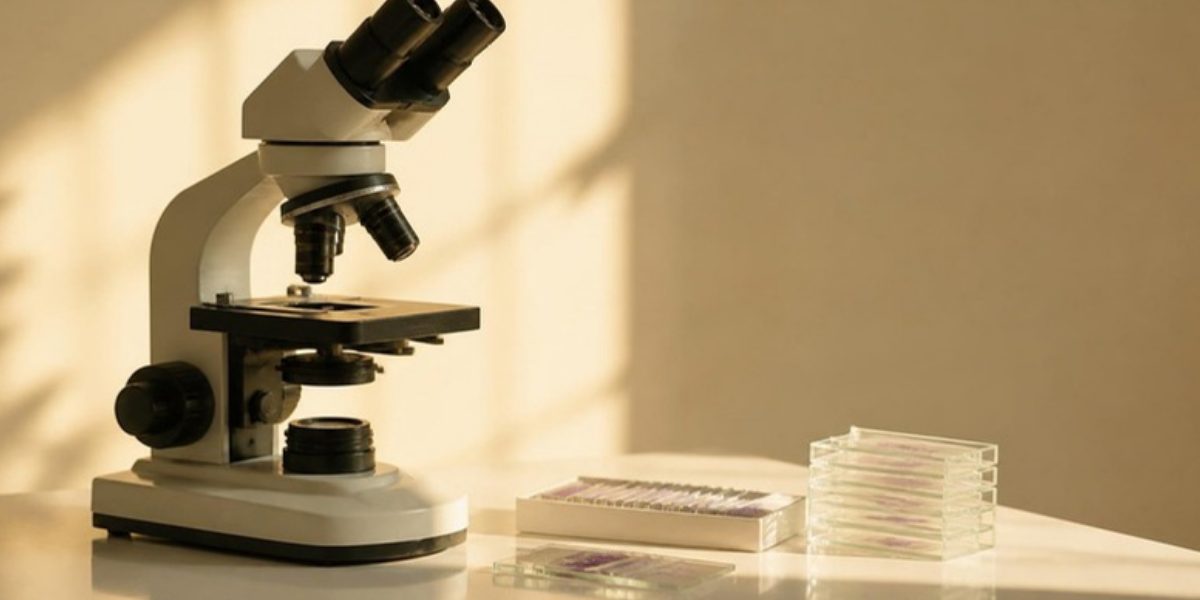
The term 'before and after' indicates some change of appearance with a specific beginning and end. With BPC-157, this use of the term becomes a problem. To date, no controlled human investigation has released any before-and-after results. The animal testing that has been conducted considers the attributes of tissues at either the beginning point or the end point, but not in terms of appearing different. The explicit aim of this article is to distinguish between what research proves and what information is found on the Internet.
Why "Before and After" Is Complicated With BPC-157
No Controlled Human Trials Published
Every quantitative before-and-after measurement of BPC-157 relies on studies conducted on animal subjects. A 2025 systematic review demonstrated that there are no results from completed human trials in publicly available registries. Since there are no human data, any declaration of individual before-and-after results is anecdotal and not scientifically proved.
Before and After in Animal Studies
Tissue Measurements at Baseline vs. Endpoint
Animal studies use calibrated instruments to measure certain endpoints. The improvements mentioned below are statistically significant in terms of the models that have been used. They were not visible changes, but rather biomechanical and histological measurements.
| Study | Tissue | Baseline Measure | Endpoint Measure | Improvement |
|---|---|---|---|---|
| Krivic 2006 | Achilles tendon (rat) | Post-transection load to failure | 14-day BPC-157 treated | Higher load to failure, increased stiffness |
| Novinscak 2008 | Quadriceps muscle (rat) | Crush injury, hematoma | Post-treatment assessment | Less hematoma, reduced edema, minimal scar |
| Hsieh 2015 | Cornea/skin (rat) | Alkali burn, wound area | BPC-157 topical treatment | Accelerated closure, increased VEGFR2 |
| Sikiric 2011 | Gastric mucosa (rat) | Ethanol/NSAID-induced lesion | BPC-157 treated | Reduced lesion area |
These are the types of metrics that represent authentic before-and-after figures. A tendon that ruptures with a more significant weight applied. A wound that heals quicker in recorded square millimeters. A lesion that occupies a smaller area. All tracked in rats, not humans.
What Online Before-and-After Claims Look Like
Forum Reports vs. Study Data
Online forums feature many reports claiming joint pain resolution, gastrointestinal improvement, and faster-than-expected healing from BPC-157. These posts share common themes but differ from published study findings in several ways:
- No baseline measurement - the "before" is a subjective description of symptoms, not a quantified value
- No control group - natural healing, other interventions and placebo response are not isolated
- No blinding - the user knows they are taking BPC-157 and expects a result
- No standardized timeframe - reports range from days to months
- Survivorship bias - users who saw no effect are less likely to post about it
This does not mean every report is fabricated. It means these reports cannot be used to draw causal conclusions about BPC-157's effects.
The Placebo Problem With Self-Reported Results
Placebo effects in pain and gut symptom studies are consistently large. A meta-analysis in the New England Journal of Medicine found that subjective outcomes like pain are particularly susceptible to placebo response. In IBS trials, placebo response rates routinely exceed 30%. Someone taking BPC-157 for gut discomfort and reporting improvement could be experiencing a real pharmacological effect, a placebo response, natural remission or a combination. Without a controlled study, the contribution of each is unknowable.
What Would a Real Human Before-and-After Study Need?
Study Design Requirements
A meaningful human before-and-after study for BPC-157 would require:
- Randomized, double-blind, placebo-controlled design
- Quantified baseline measurements (imaging, biomarkers, validated symptom scales)
- Standardized BPC-157 product with verified purity and known dose
- Sufficient sample size for statistical power
- Pre-registered endpoints and analysis plan
- Independent monitoring and adverse event reporting
No such study exists. The Croatian phase II trial (PL 14736) for inflammatory bowel disease has not produced any publicly available results.
FAQ - BPC-157 Before and After
Are online before-and-after photos of BPC-157 reliable?
No. Images uploaded on the web do not possess fundamental criteria, comparison setups, or validation. Lighting, angle, timing, and concurrent interventions are uncontrolled variables. Such photos may show genuine changes but cannot prove BPC-157 caused them.
What animal before-and-after data exists?
The use of rat models reveals that when using the BPC-157 treatment, the values concerning tendon load to failure, rate of closure of the wound, area of lesions in the stomach, and the rates of resolution of muscle hematomas significantly improve when compared to the respective control group without BPC-157 treatment.
How long do animal studies run?
Animal studies on BPC-157 typically evaluate outcomes between 7 and 28 days after treatment starts. Tendon biomechanical studies are often performed 14 days after injury. Studies of gut lesions typically report outcomes within 3 to 5 days.
Why aren't there human before-and-after studies?
BPC-157 has not been approved by the FDA for human use. For a human trial to be performed, regulatory approval, institutional review board oversight and adequate funding is needed. The peptide's regulatory status and the concentration of research activity in a single lab group have slowed the path to human trials.

Keep reading
BPC-157 Reviews: What Users Report and What Studies Show
A breakdown of BPC-157 user reviews against published research. We compare what people report online with what animal studies actually measured.
BPC-157 Benefits for Women: What Studies Say
What published research says about BPC-157 in female animal models. We cover gut, tendon and hormonal considerations specific to women.
BPC-157 Benefits for Men: Research Review
Published BPC-157 research relevant to men. We cover muscle repair, tendon recovery and what the male animal model data shows.
Compare the current picks
Prices, sizes and ratings side by side, updated when the merchant pages change.
See top picks