BPC-157
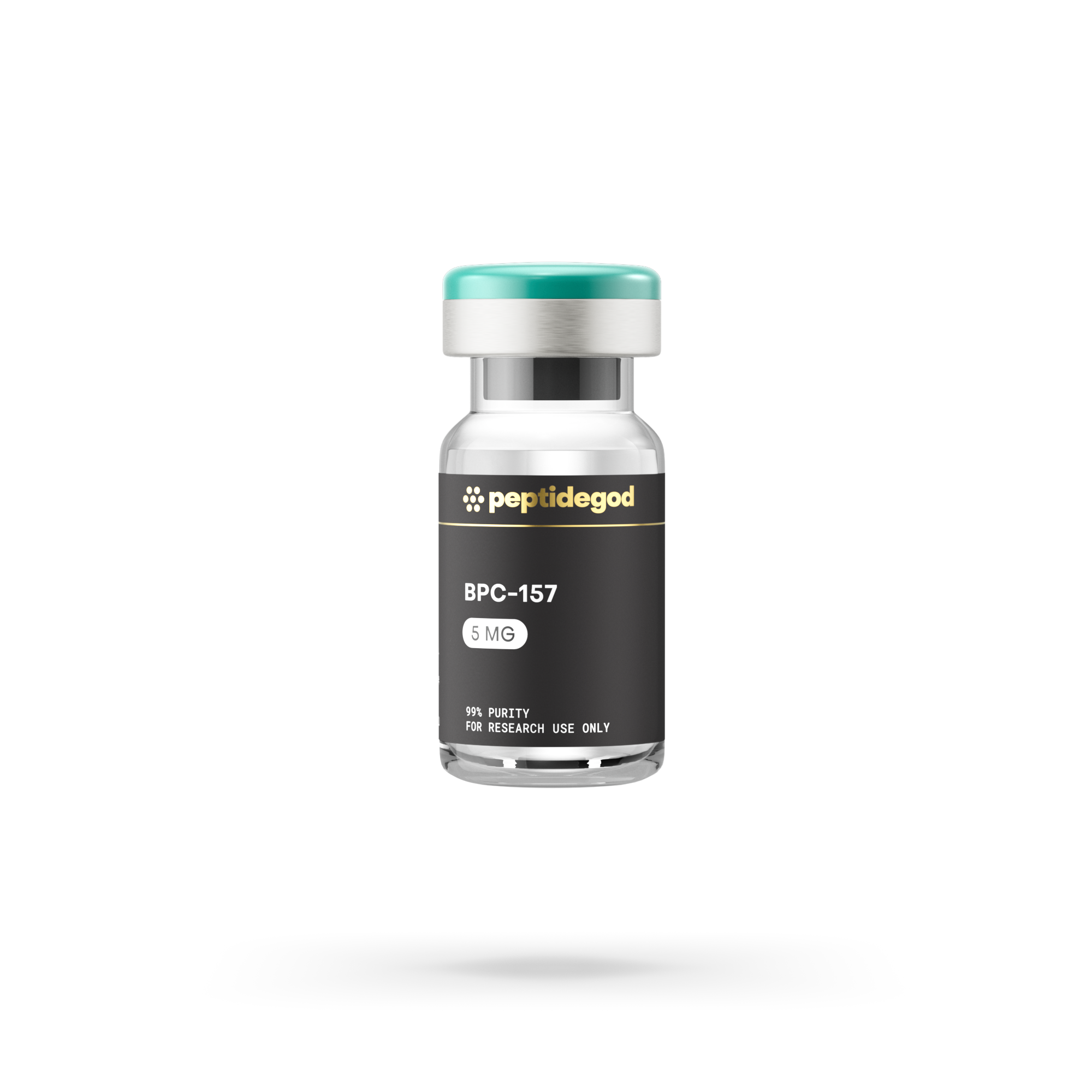
BPC-157 lyophilized powder from Peptide God at $34.95 per vial.
A research-based overview of BPC-157 peptide benefits. We break down the published studies on tissue repair, gut health and recovery, then compare tested vendors.
Ranked on the criteria below. Prices and ratings come from the merchant pages.
BPC-157 lyophilized powder from Peptide God at $34.95 per vial.
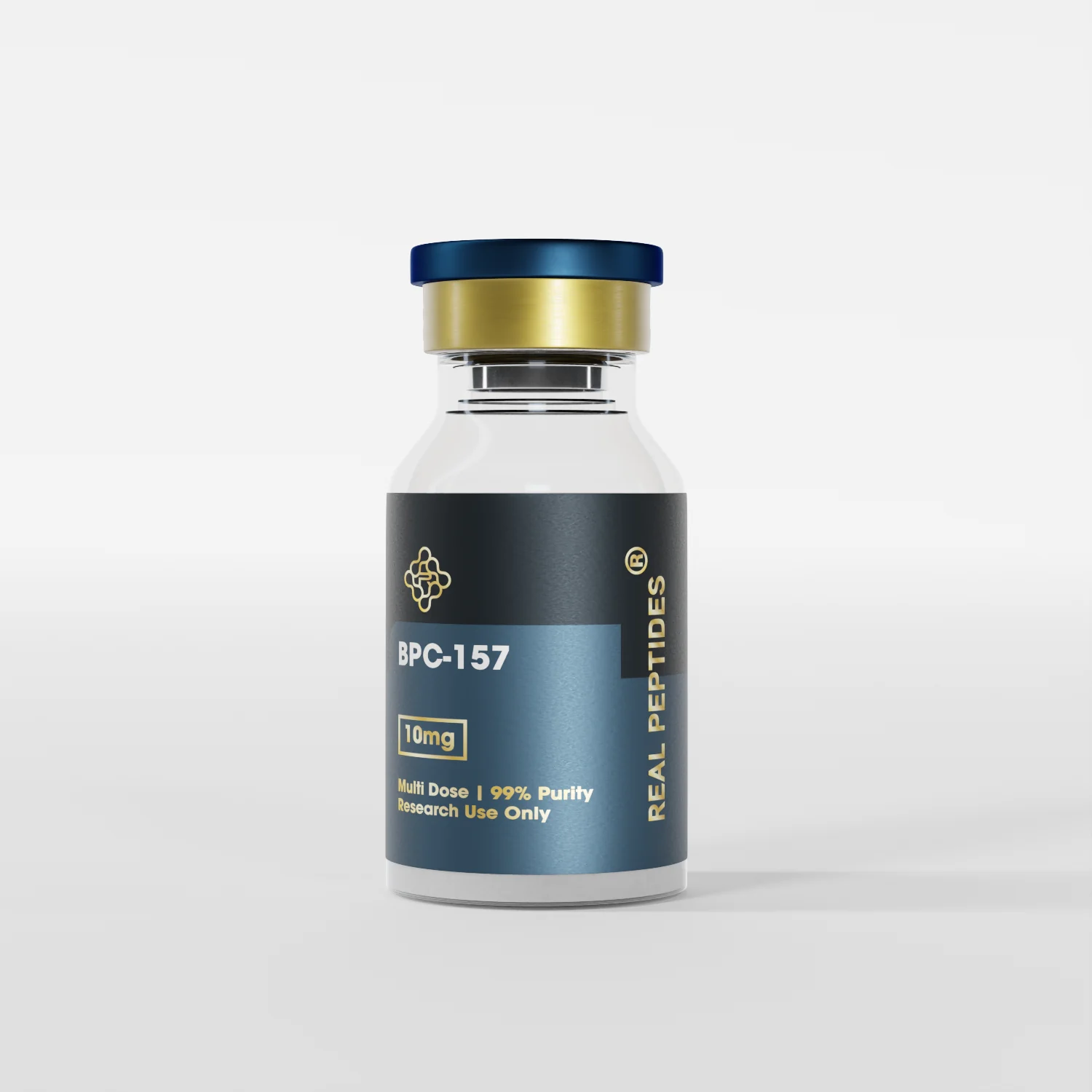
10mg BPC-157 vial at 99%+ purity (HPLC verified) with published COA, $43.20.
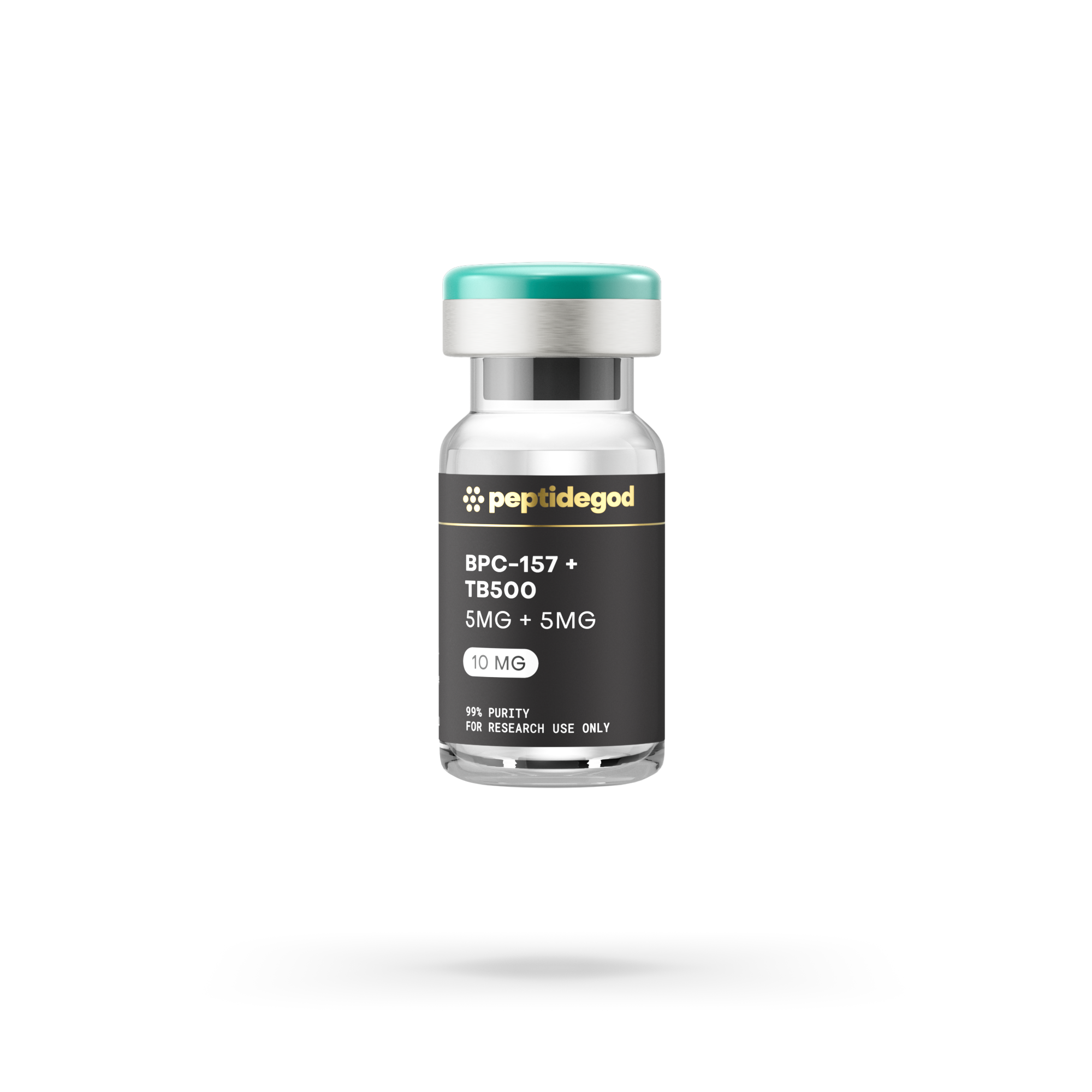
Combined BPC-157 and TB-500 blend from Peptide God at $59.95 per vial.
BPC-157 has been examined in over 100 preclinical studies since the peptide was first isolated from human gastric juice. The 15-amino-acid sequence remains stable for more than 24 hours in gastric acid and has consistently shown effects on tissue healing, gut mucosal protection, and vascular physiology in laboratory animals. However, to date, there have been no human studies confirming the abovementioned data. So in this article, we analyze various studies, check vendor descriptions, and compare available products for BPC-157.
BPC-157 (Body Protection Compound-157) is a synthetic pentadecapeptide made from a protein produced in human gastric juice. It was first identified by the team led by Predrag Sikiric at the University of Zagreb, and almost all research on the effectiveness of BPC originates from that group. The special peptide attracted research because of its resistance to gastric acid, a property that many other peptides do not have, and because it demonstrated its capability to protect living cells in various organs in animal experiments .
The sequence is GEPPPGKPADDAGLV, with a molecular mass of 1419.53 g/mol. It does not exist as a single molecule in the body. Researchers manufacture it and inject it intraperitoneally, subcutaneously, or intravenously. A 2025 literature review counted effects reported across numerous systems like gastrointestinal, musculoskeletal, neurological, and cardiovascular systems, all in preclinical settings.
All of the benefits present below are derived from studies carried out with animals and cell cultures. There was a phase II trial designation (PL 14736) related to inflammatory bowel disease in Croatia but no results from completed human studies have been reported in public registries. The FDA's position is explicit: "the agency does not have enough information to establish whether the drug would harm humans." That gap in knowledge is significant.
| Benefit Category | Study Model | Key Finding | Source |
|---|---|---|---|
| Gastric mucosal protection | Rat (ethanol/NSAID lesions) | Reduced lesion area, maintained vascular integrity | Sikiric 2011 |
| Tendon repair | Rat (Achilles transection) | Increased load to failure and stiffness | Krivic 2006 |
| Muscle recovery | Rat (crush injury) | Less hematoma, reduced edema, minimal scar tissue | Novinscak 2008 |
| Neuroprotection | Mouse (MPTP-induced) | Counteracted parkinsonian behavioral deficits | Sikiric 1999 |
| Wound healing | Rat (alkali burn) | Accelerated closure, increased VEGFR2 activity | Hsieh 2015 |
| Colon fistula healing | Rat | Healed fistulas via oral and parenteral routes | Sikiric 2008 |
The most replicated finding is accelerated wound closure. A 2021 review in Frontiers in Pharmacology summarized that BPC-157 enhances the triad of collagen deposition, inflammatory cell recruitment, and angiogenesis. In alkali-burn models, topical application promoted proliferation and tube formation of endothelial cells through VEGFR2 and eNOS/Akt signaling. These are animal and in-vitro results.
Gut protection is where BPC-157 research started. The peptide reduced gastric lesion area caused by ethanol, NSAIDs and restraint stress in rats. A 2011 review described it as an anti-ulcer peptidergic agent with no reported toxicity in those models. Colitis and fistula-healing studies showed effects through both oral and injected routes, which is unusual for a peptide. We cover the gut data in detail on our gut health benefits page.
Rat Achilles tendon transection studies measured biomechanical endpoints. BPC-157-treated tendons showed higher load to failure, greater stiffness and improved Young's modulus compared to controls. A separate in-vitro study found upregulated growth hormone receptor expression in tendon fibroblasts, with dose-dependent stimulation of cell migration through the FAK-paxillin pathway. More on this in our tendon and ligament guide.
BPC-157 counteracted dopaminergic system disruption in multiple rodent models, including MPTP-induced parkinsonism and amphetamine-induced behavioral changes. A 2022 review in Neural Regeneration Research cataloged effects on traumatic brain injury, spinal cord compression and hippocampal ischemia. All data is from rodents. No human neurology study has been published. See our brain and neuro benefits page for the full breakdown.
We examine the product pages of all vendors listed. Our comparison relies on what is visible from the product pages, not marketing claims or rumors from the third party.
Peptide God sells BPC-157 for $34.95 without listing the vial size, so pricing per milligram cannot be calculated. On the other hand, Real Peptides offers BPC-157 for $43.20 for 10mg, resulting in a price of $4.32 per milligram.
We look for a batch-level certificate of analysis published by the merchant.
Purity percentage and milligrams per vial as stated on the product page.
Clear research-use labeling, lot numbers and storage instructions.
Vials compared on price per milligram, not on sticker price.
Research conducted on animals has shown that BPC-157 is beneficial in tissue healing and regeneration processes, in the gastrointestinal tract, muscles, tendons as well as in nerve fibers. BPC-157 functions through inducing new blood vessel formation, modulating the activity of nitric oxide system and stimulating the production of various growth factors. However, the findings of animal trials have not been supported by human studies yet.
BPC-157 is not FDA-approved for human therapeutic use. The FDA's Pharmacy Compounding Advisory Committee recommended against adding BPC-157 to the 503A Bulks List for pharmacy compounding, citing insufficient safety and efficacy evidence.
Until then, all efficacy data available has come from animal studies and cell cultures. A Croatian phase II trial for inflammatory bowel disease was registered, but no human trial data has appeared in public databases.
Many studies on animal models observe outcomes between days 7 and 28 after treatment starts. Studies involving tendons take place two weeks after the transection takes place. Studies involving wounds in the gut could demonstrate changes in three to five days.
BPC-157 is the name given to a peptide made from 15 amino acids. TB-500 is a part of Thymosin Beta-4 which has 43 amino acids in total. They have different sequences, different origins and different suggested ways of acting. Some suppliers sell them as a mixture of both. We make a detailed comparison on our BPC-157 vs TB-500 page.

A breakdown of BPC-157 user reviews against published research. We compare what people report online with what animal studies actually measured.
What published BPC-157 studies actually show in before-and-after measurements. We separate controlled animal data from online anecdotes.
What published research says about BPC-157 in female animal models. We cover gut, tendon and hormonal considerations specific to women.
Every guide and ranking on this site is checked by a named reviewer before it is published.